Boutique Hotel Chains In Sri Lanka for Travelers and Hotel Owners
Boutique hotel chains in sri lanka often surprise visitors and property owners when a quiet colonial bungalow in Kandy, a beach villa near Tangalle, and a walled-fort stay in Galle share reservation desks, driver transfers, and service training. Having stayed across coastal towns, tea estates, and Colombo neighborhoods over the years, I noticed that road transfer times, monsoon shifts, and backup power shape your real stay far more than pool photos. Understanding how local multi-site operators work helps guests pick smooth routes and helps owners evaluate management partners.
Boutique Hotel Chains In Sri Lanka — Overview
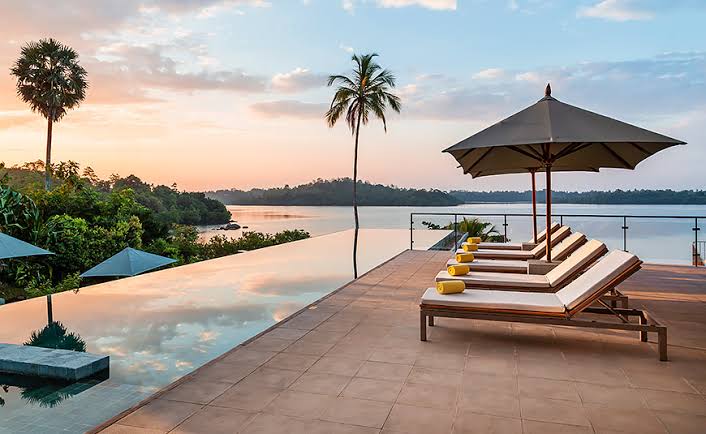
Hospitality operators across Sri Lanka link distinct regional properties into connected circuits while keeping room counts small and personal. Industry data from the Sri Lanka Tourism Development Authority (SLTDA) shows how international arrival waves, peak winter months, and regional circuits shape occupancy across the island. Travelers and property owners make sharper decisions when they look past brochure shots to see how remote sites are staffed and maintained.
Key facts to know first
Dual monsoon seasons and regional route circuits
Sri Lanka experiences two distinct monsoon patterns, so beach weather on the south and west coasts peaks from December through April while the east coast shines from May through September. Multi-property chains coordinate multi-stop itineraries across Colombo, the Cultural Triangle, hill country, and beaches so guests move smoothly between climates. Checking seasonal weather windows prevents rainy beach days and steep peak-season surcharges.
Remote supply chains, staffing, and utility costs
Operating small luxury villas in tea hills or coastal coves involves higher transport expenses, generator backup systems, and specialized hospitality training. Multi-site operators centralize purchasing, reservations, and chef training across sister sites to control daily overhead. Owners weigh those operational efficiencies against brand management fees and capital upkeep budgets.
What most people get wrong
Assuming boutique always means a single standalone villa
Plenty of travelers picture one independent family house with zero ties to other properties. In reality, several boutique hospitality companies run curated collections of four to fifteen properties across Sri Lanka under unified leadership. Shared systems often make multi-stop transfers and dietary requests easier to coordinate than one-off guesthouses.
Mixing up chains with wider groups and collections
A chain typically presents a cohesive brand promise across locations, whereas wider portfolios span varied price tiers and heritage assets. Comparing how boutique hotel chains and boutique hotel groups organize regional sales and maintenance helps clarify what stays local versus what is standardized. Local factors like winding hill roads, wildlife park permits, and national holidays shape every stay differently.
Comparing Boutique Hotel Chains In Sri Lanka by Region and Model
Picking the right Sri Lankan chain model depends on whether you are an owner evaluating an operator agreement or a traveler building an island route. A tea-country bungalow collection centers on fireplaces, estate walks, and quiet meals, whereas a south-coast beach collection focuses on surf access, open-air dining, and ocean breezes. Matching the operator’s geographic strengths to your itinerary avoids tiring road delays.
Differences across Sri Lankan operator styles
Heritage bungalow and hill-country collections
Operators around Nuwara Eliya, Hatton, Ella, and Kandy often restore planter bungalows and hillside retreats with small suite counts. Cool evening temperatures, misty mornings, and winding roads require attentive kitchen teams and reliable vehicle logistics. Guests often value calm scenery, guided estate trails, and unhurried service over nightlife.
Coastal villa and Galle Fort urban chains
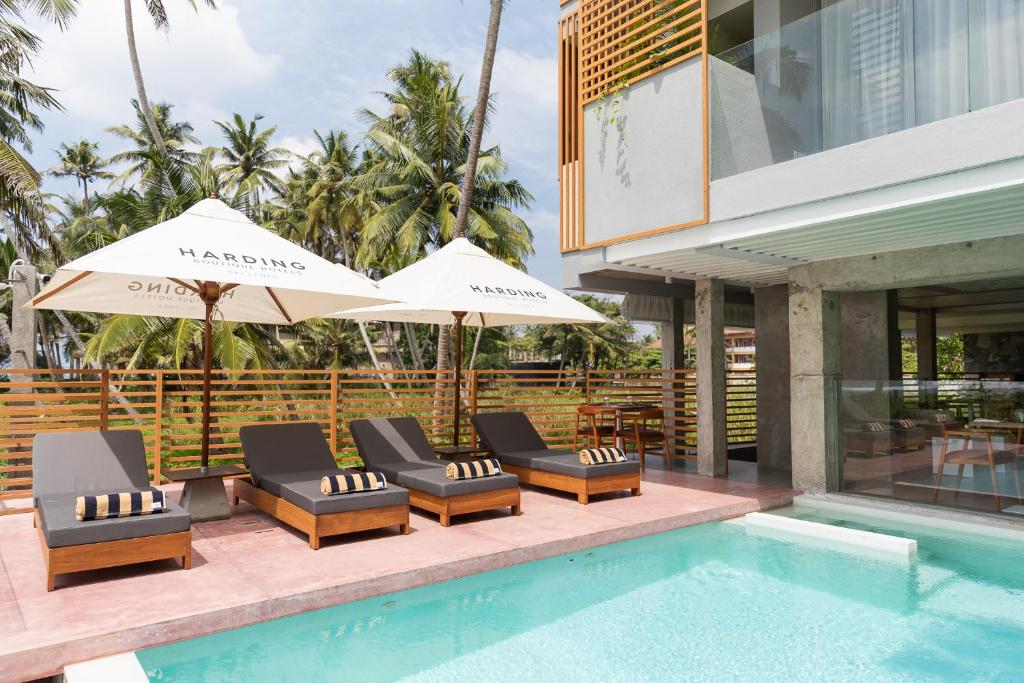
Properties along Galle, Weligama, Tangalle, and Colombo blend historic architecture or beachfront plots with contemporary dining and pools. Salt air, coastal humidity, and peak winter holiday demand test building upkeep and air conditioning systems daily. Travelers enjoy walkable fort streets or direct beach steps right outside their rooms.
Typical profile comparison across Sri Lankan chain tiers
| Sri Lankan Chain Tier | Typical Property Focus | Core Commercial Strength | Common Trade-Off | Best Fit For |
| Multi-Region Circuit Chain | Coast, hills, and Cultural Triangle | Seamless multi-stop route planning | Higher bundled rates in peak months | First-time island itineraries |
| Heritage & Tea Estate Group | Restored bungalows and hill suites | Quiet atmosphere and guided trails | Longer drive times between stops | Nature and slow-travel trips |
| Coastal & Fort Lifestyle Brand | Beach villas and Galle Fort houses | Walkable dining and ocean access | High seasonal demand from Dec to Apr | Beach breaks and couples trips |
| Urban & Transit Boutique Group | Colombo city stays and airport links | Easy arrival, dining, and business comfort | Less resort space than coastal sites | Arrival nights and short stays |
How Owners and Guests Evaluate Boutique Hotel Chains In Sri Lanka
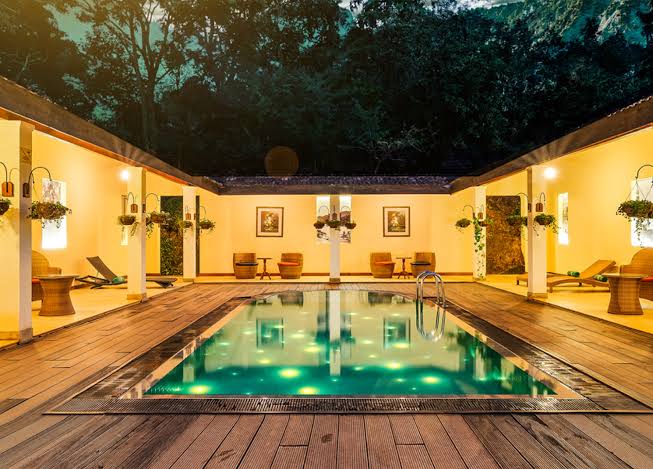
Checking real operational execution beats relying on staged drone photography or generic luxury tags. Property owners review RevPAR trends, ADR performance, staff retention, and preventive maintenance schedules before signing management deals. Travelers can read recent reviews on road transfer reliability, air conditioning, and meal quality to see how well a chain runs its properties.
Practical habits when choosing a chain or stay
Look past scenic photos to daily upkeep
A dramatic infinity pool does not fix weak Wi-Fi in hill bungalows, humid bedding near the coast, or slow kitchen service. Check recent guest feedback on mosquito control, hot water stability, and driver accommodations if traveling with a private car. Steady daily care shows how well the operator trains and supports local teams.
Verify service charges, taxes, and transfer terms
Property owners should inspect management fee percentages, marketing contributions, and FF&E reserve obligations carefully. Guests should check whether government taxes, the standard 10% service charge, breakfast, and driver quarters are included in quoted rates. Clear breakdowns prevent surprises when settling bills.
Key questions to check before committing
-
Seasonal weather alignment: Does the property’s coastal or hill location match the active dry season for your travel month?
-
Tax and service charge breakdown: Are local VAT, tourism levies, and the 10% service charge included in the displayed total?
-
Transfer and driver logistics: Are airport pickups or separate driver rooms arranged clearly if touring by private vehicle?
-
Operator track record and fees: For owners, what historical occupancy, GOP margins, and fee caps apply across comparable Sri Lankan sites?
Frequently Asked Questions
How do boutique hotel chains in sri lanka help with multi-stop island trips?
Boutique hotel chains in sri lanka often operate sister properties across Colombo, the Cultural Triangle, tea hills, and southern beaches, making multi-stop bookings and driver transfers simpler to coordinate. Guests also get consistent service standards and dietary notes passed between stops.
When is the best time of year to book boutique hotel chains in Sri Lanka?
December through April offers the driest weather for Colombo, Galle, and the south coast, while May through September suits the east coast and Cultural Triangle. Booking several months ahead for winter peak dates secures better room availability and fairer rates.
Are taxes and service charges usually included in Sri Lankan boutique hotel rates?
Many hotels quote base nightly tariffs before adding government taxes and a standard 10% service charge, though some inclusive rates bundle meals and levies. Always check the final checkout summary so you know the exact out-the-door amount.
What should a Sri Lankan property owner check before partnering with a boutique chain?
Owners should review past occupancy during off-peak monsoon months, net RevPAR performance, fee structures, and local staff training programs. Speaking with existing property owners helps verify how the operator handles supply costs and maintenance.
Compare Sri Lankan Chains and Plan Your Next Stay
Understanding how boutique hotel chains in sri lanka manage regional seasons, transfers, and service standards helps you choose with confidence whether booking a holiday or evaluating a hotel partnership. Compare two or three properties across your exact travel route, confirm taxes and inclusions upfront, and reserve directly when the fit is right.