Boutique Hotel Chains Australia Picks for Travelers and Owners
Boutique hotel chains australia often surprise visitors and property owners when an intimate 40-room property in Melbourne’s laneways, a coastal stay in Byron Bay, and a sandstone building in Sydney share booking systems, loyalty perks, and design standards. Having stayed across Australian capitals, regional wine valleys, and beach towns over the years, I noticed that neighborhood walkability, weekend surcharge rules, and soundproofing shape your trip far more than lobby art. Understanding how these multi-property brands run helps guests book smartly and helps owners weigh operator deals.
Boutique Hotel Chains Australia — Overview
Multi-property design operators across Australia link distinct city and regional hotels under cohesive management while keeping room counts compact. Industry data from Tourism Research Australia (TRA) shows how domestic leisure trips, interstate business travel, and international arrivals shape occupancy and room rates across states. Travelers and property owners make sharper choices when they look past stylish photos to see how sites are staffed and maintained.
Key facts to know first
City hubs, coastal escapes, and regional wine towns
Australian boutique portfolios frequently pair inner-city properties in Sydney, Melbourne, and Brisbane with leisure stays in spots like the Hunter Valley, Yarra Valley, or Mornington Peninsula. Corporate demand drives midweek bookings in major capitals, while weekend leisure travelers fill regional getaways. Checking local event calendars prevents paying steep surge rates during major sports or festival weekends.
Labor costs, card surcharges, and building upkeep
Operating small design-led hotels in Australia involves high hospitality wage awards, weekend penalty rates, and strict building compliance. Multi-site operators centralize reservations, procurement, and revenue management across sister hotels to keep margins steady. Guests should also check credit card surcharges and valet parking fees before confirming checkout totals.
What most people get wrong
Assuming boutique always means a single standalone property
Many travelers picture one independent family-owned building with zero ties to other hotels. In reality, several boutique hospitality companies run curated collections of five to twenty properties across Australian states under shared leadership. Unified booking systems often let repeat guests earn perks or transfer preferences between sister locations.
Confusing chains with wider groups and soft brands
A chain usually presents a consistent design personality and guest promise across locations, whereas wider portfolios span varied price tiers and heritage assets. Comparing how boutique hotel chains and boutique hotel groups structure regional sales and property maintenance clarifies what stays local versus what is standardized. Local factors like school holiday dates, dining hours, and parking access shape every stay differently.
Comparing Boutique Hotel Chains Australia by Region and Model
Picking the right Australian chain model depends on whether you are an owner evaluating an operator contract or a traveler planning an interstate trip. Inner-city design brands focus on walkable dining, compact rooms, and quick transit links, whereas regional and coastal collections emphasize grounds, local food, and slower weekend pacing. Matching the brand style to your itinerary avoids mismatched expectations.
Differences across Australian operator styles
Inner-city design and heritage conversions
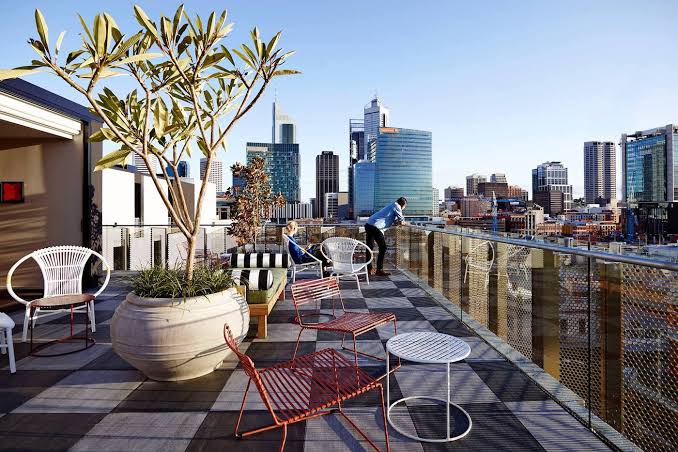
Operators in Sydney, Melbourne, Adelaide, and Perth often convert former warehouses, banks, or historic terraces into compact design hotels. Rooms are sometimes fitted into irregular heritage floor plans, so square footage and window views vary between room categories. Travelers enjoy immediate access to laneway cafes, galleries, and trams right outside the lobby.
Coastal retreats and wine-country collections
Properties along Queensland’s coast, New South Wales beach towns, and regional wine valleys focus on outdoor decks, pools, and local dining. Seasonal weather waves and school holiday peaks are factored into rate calendars months ahead. Guests often value relaxed pace, parking ease, and scenic surroundings over city transit.
Typical profile comparison across Australian chain tiers
| Australian Chain Tier | Typical Property Focus | Core Commercial Strength | Common Trade-Off | Best Fit For |
| Urban Lifestyle Design Chain | Inner-city conversions in Sydney & Melbourne | Walkable dining and strong weekday/weekend mix | Snug room layouts and paid valet parking | City breaks and creative work trips |
| Regional & Wine-Valley Group | Vineyard lodges and countryside stays | High weekend ADR and destination dining | Two-night minimum stays on weekends | Couples escapes and food trips |
| Coastal & Resort Boutique Brand | Beachside hotels in QLD and NSW | Strong leisure appeal and pool decks | Sharp rate jumps during school holidays | Sun holidays and longer breaks |
| Compact Transit & Value Collection | Smart-size rooms near stations or hubs | Honest pricing and modern essentials | Smaller lobbies and fewer on-site extras | Short stopovers and solo travelers |
How Owners and Guests Evaluate Boutique Hotel Chains Australia
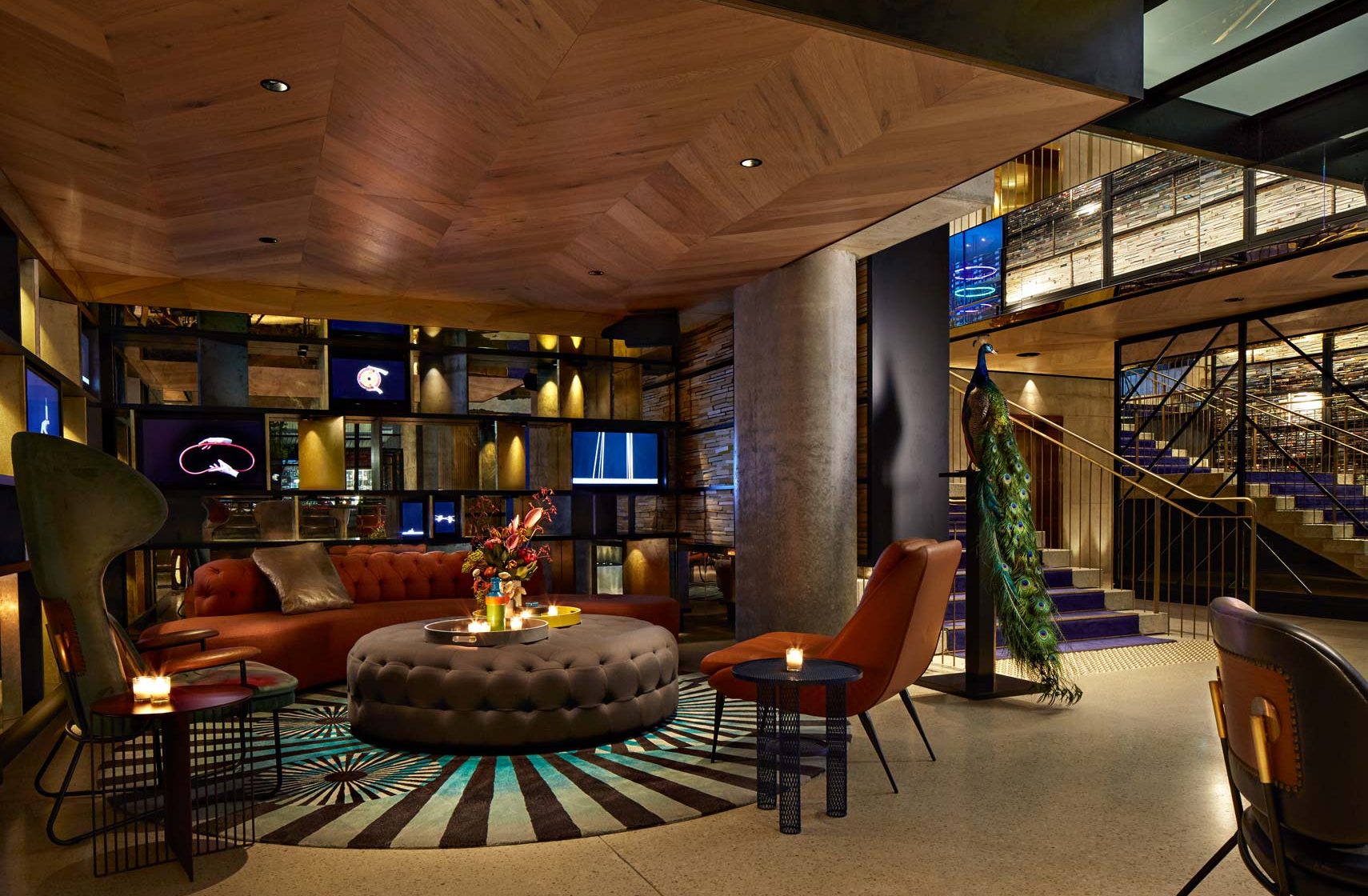
Checking recent day-to-day execution beats relying on staged architectural shots or vague luxury badges. Property owners review RevPAR growth, labor cost ratios, distribution fees, and preventive maintenance schedules before signing management agreements. Travelers can read recent reviews on street noise, air conditioning, and front-desk responsiveness to see how reliably a chain runs its hotels.
Practical habits when choosing a chain or stay
Look past design photos to room function
A striking lobby bar does not fix thin walls facing late-night tram lines, slow lifts, or cramped bathrooms. Check recent guest feedback on mattress comfort, shower pressure, and room size within the entry-level category. Steady daily care shows how well the operator trains and supports property teams.
Verify card fees, parking, and minimum-stay rules
Property owners should inspect base management fees, incentive structures, and FF&E reserve terms carefully. Guests should check whether card payment surcharges, overnight parking, and weekend minimum stays apply before locking in rates. Clear terms prevent unpleasant surprises at checkout.
Key questions to check before committing
-
Event and holiday calendar alignment: Do your dates overlap with major sports finals, concerts, or state school holidays that push rates up?
-
Checkout fees and card surcharges: Are credit card surcharges, valet parking rates, and breakfast costs stated clearly upfront?
-
Room size and heritage quirks: Does the base room category match your space needs, or is an upgrade worth the small difference?
-
Operator performance and fees: For owners, what historical occupancy, GOP margins, and fee caps apply across comparable Australian sites?
Frequently Asked Questions
How do boutique hotel chains australia differ from large international hotel brands?
Boutique hotel chains australia usually operate smaller, design-focused properties with strong local neighborhood character rather than standardized high-rise towers. Guests still get reliable booking systems and consistent housekeeping while enjoying a more personal, local feel.
When are rates lowest at Australian boutique hotels?
Midweek nights in leisure towns and Sunday or Monday nights in major capitals like Sydney and Melbourne often offer fairer rates. Avoiding state school holidays and major sporting weekends also helps keep nightly tariffs down.
Do boutique hotels in Australia charge extra for parking and card payments?
Many inner-city properties charge daily fees for valet or self-parking, and some pass on modest merchant surcharges for credit card payments. Checking the property’s payment and parking policy before booking keeps your final bill clear.
What should an Australian hotel owner check before partnering with a boutique chain?
Owners should review historical RevPAR performance, labor cost management under Australian hospitality awards, fee caps, and direct booking share. Speaking with current partner owners helps confirm how the operator handles upkeep and marketing.
Compare Australian Chains and Plan Your Next Stay
Understanding how boutique hotel chains australia balance design, regional seasons, and clear pricing helps you choose with confidence whether booking a trip or evaluating a hotel partner. Compare two or three properties across your exact travel dates, verify parking and fee rules upfront, and reserve directly when the fit is right.