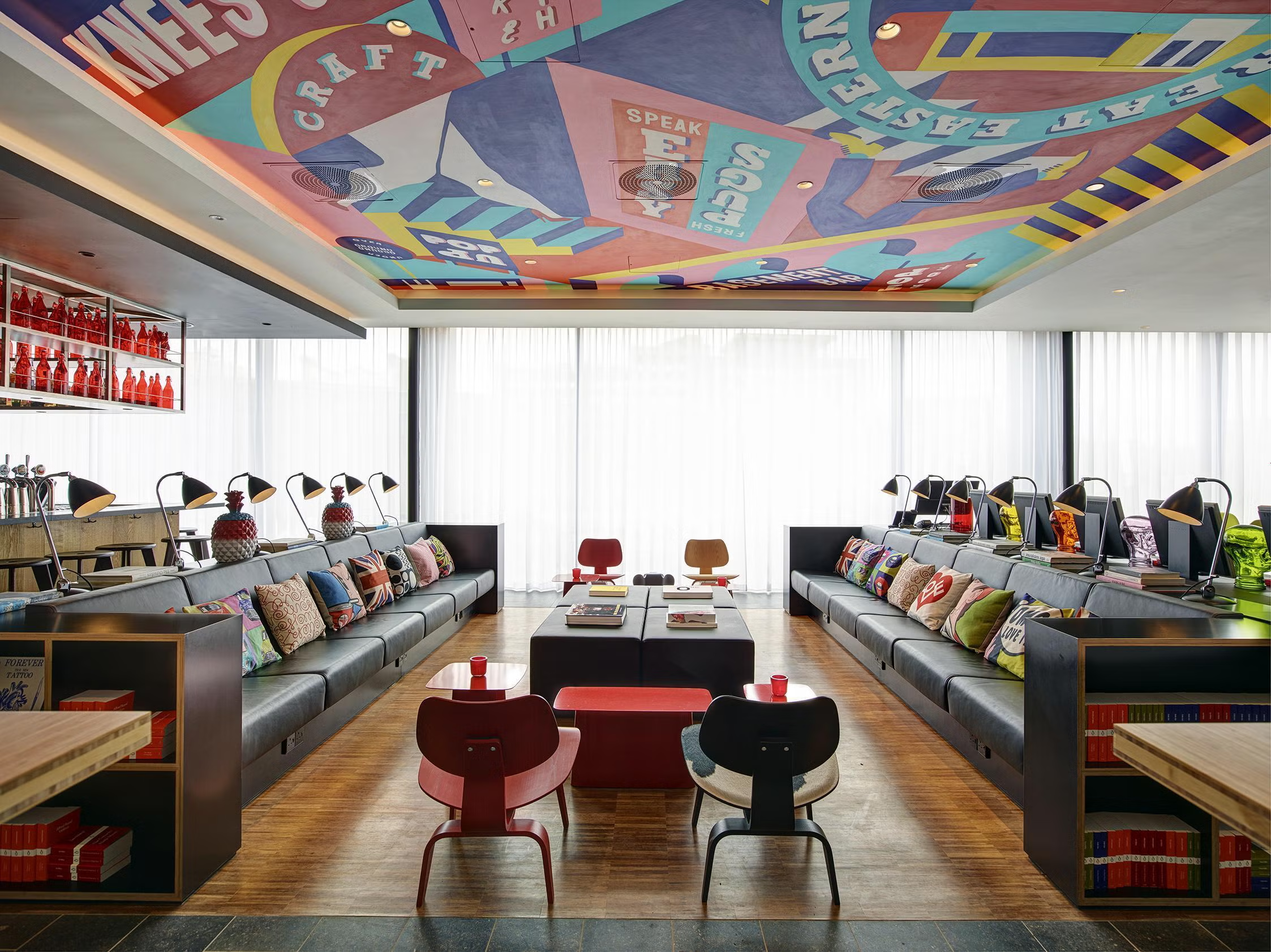
Boutique Hotel Chains London Brand & Stay Guide
Boutique hotel chains london searches often surprise travelers and property owners when an intimate Georgian townhouse in Bloomsbury, a design-led stay in Shoreditch, and a riverside property near Southwark share booking desks, loyalty perks, and housekeeping standards. Having stayed across Soho, Kensington, Marylebone, and East London over the years, I noticed that Tube proximity, room square footage, and double glazing shape your stay far more than lobby armchairs. Knowing how London’s multi-property brands operate helps guests book smartly and helps owners weigh operator deals.
Boutique Hotel Chains London — Overview

Multi-property boutique operators across London connect distinct neighborhood buildings under shared management while keeping room counts compact and personal. Industry data from VisitBritain shows how international visitor arrivals, business travel, and seasonal events shape London hotel occupancy and room rates year-round. Travelers and property owners make sharper choices when they look past stylish photos to see how historic or compact London sites are maintained.
Key facts to know first
Zone 1 vs. Zone 2 pricing, room footprints, and Tube access
Central neighborhoods like Mayfair, Covent Garden, and Soho carry steep commercial rents and higher nightly tariffs, whereas Zone 2 hubs like Shoreditch, Islington, or Hammersmith often offer larger rooms for less. Being within a five-minute walk of a step-free Underground line saves time and cab fares in rainy weather. Checking exact station distance and room floor plans prevents awkward luggage climbs in older townhouses.
Business rates, heritage upkeep, and staffing costs
Operating small design-led properties in London involves high business rates, strict heritage building rules, and competitive hospitality wages. Multi-site operators centralize reservations, revenue management, and procurement across sister hotels to protect operating margins. Guests should also check whether VAT is already included in displayed tariffs and whether discretionary service charges apply.
What most people get wrong
Assuming boutique always means one standalone townhouse
Many travelers picture a single independent building with zero ties to other London properties. In reality, several boutique hospitality companies run curated collections of four to fifteen London hotels under shared leadership. Unified booking systems often let repeat guests earn perks or shift reservations smoothly between sister neighborhoods.
Mixing up chains with wider groups and collections
A chain usually presents a recognizable design personality and guest promise across postcodes, whereas wider portfolios span varied price tiers and heritage assets. Comparing how boutique hotel chains and boutique hotel groups organize regional sales and property maintenance clarifies what stays local versus what is standardized. Local factors like theatre crowds, Wimbledon weeks, and rail strikes shape every stay differently.
Comparing Boutique Hotel Chains London by Neighborhood and Model
Picking the right London chain model depends on whether you are an owner evaluating an operator agreement or a traveler planning a city break. A West End townhouse collection centers on quiet drawing rooms, afternoon tea, and theatre proximity, whereas an East London lifestyle brand focuses on buzzing ground-floor bars, creative workspaces, and weekend dining. Matching the operator’s neighborhood strengths to your trip avoids mismatched expectations.
Differences across London operator styles
West End and Kensington heritage townhouse chains
Operators across Marylebone, Bloomsbury, South Kensington, and Chelsea often restore listed Georgian or Victorian buildings with intimate room counts. Narrow staircases, irregular room shapes, and compact lifts are sometimes found inside protected historic structures. Guests often value calm residential streets, classic interiors, and attentive concierge support over huge lobbies.
Shoreditch, King’s Cross, and South Bank design brands
Properties around East London, King’s Cross, and the Thames focus on contemporary rooms, lively lobby cafes, and quick Eurostar or city transit links. Late-night bar crowds and busy street corners are managed with acoustic glazing and keycard lift access. Travelers enjoy vibrant dining right downstairs alongside practical room layouts.
Typical profile comparison across London chain tiers
| London Chain Tier | Typical Neighborhood Focus | Core Commercial Strength | Common Trade-Off | Best Fit For |
| Heritage Townhouse Collection | Bloomsbury, Kensington, Marylebone | Classic London charm and loyal repeat guests | Compact lifts and varied room sizes | Couples and leisure culture trips |
| East & Central Lifestyle Brand | Shoreditch, Soho, King’s Cross | Strong dining/bar buzz and transit links | Weekend lobby crowds and street noise | Creative work and city breaks |
| Compact Smart-Design Chain | City of London, Paddington, Victoria | High occupancy and efficient room pricing | Snug entry rooms and smaller closets | Short business and rail stopovers |
| Luxury Residential-Style Group | Mayfair, Knightsbridge, Belgravia | High ADR, privacy, and tailored service | Premium tariffs and strict peak minimums | Extended upscale London stays |
How Owners and Guests Evaluate Boutique Hotel Chains London
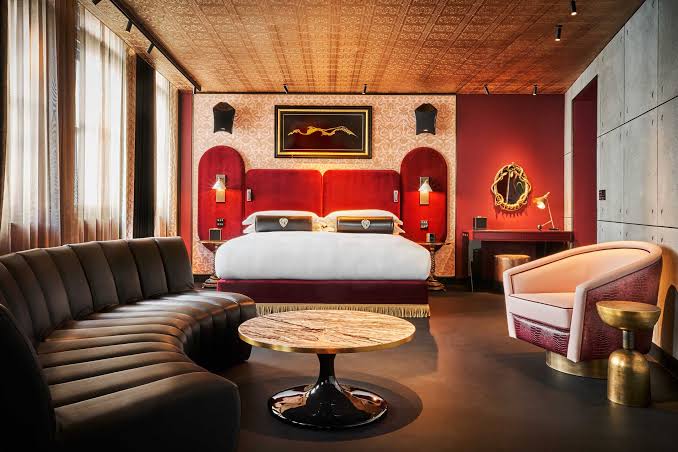
Checking recent day-to-day execution beats relying on staged architectural shots or vague luxury tags. Property owners review RevPAR performance, GOP margins, OTA distribution mix, and preventive maintenance schedules before signing management deals. Travelers can read recent reviews on street noise, air conditioning, and lift reliability to see how well a chain runs its London buildings.
Practical habits when choosing a chain or stay
Look past interior photos to room function
A stylish velvet sofa does not fix thin sash windows facing a busy bus lane, weak shower pressure, or a tiny single bed sold as a cozy double. Check recent guest feedback on air conditioning during warm summer weeks, mattress comfort, and exact room square meters. Steady daily care shows how well the operator trains and supports property teams.
Verify VAT, service fees, and cancellation terms
Property owners should inspect base management fees, incentive hurdles, and FF&E reserve obligations carefully. Guests should confirm that the 20% UK VAT is included in quoted rates and check whether discretionary service charges or breakfast add-ons apply. Clear terms prevent unpleasant surprises at checkout.
Key questions to check before committing
-
Exact room dimensions and bed size: Does the entry category offer a standard UK double or king bed, or is it a compact single?
-
Acoustic glazing and climate control: Are rooms fitted with double glazing and working air conditioning for warm summer nights?
-
Tube station and airport link: How far is the nearest Underground station, and does it have step-free lift access for heavy bags?
-
Operator performance and fees: For owners, what historical occupancy, GOP margins, and fee caps apply across comparable London assets?
Frequently Asked Questions
How do boutique hotel chains london differ from large international hotel brands?
Boutique hotel chains london usually operate smaller, character-rich properties inside converted townhouses or neighborhood buildings rather than massive glass towers. Guests still get reliable booking systems and consistent housekeeping while enjoying a more local postcode feel.
When are nightly rates lowest at London boutique hotels?
January, February, and late autumn outside major trade shows often offer fairer nightly tariffs across London. Sunday and Monday nights in leisure districts like Soho or Shoreditch can also price lower than peak Friday and Saturday stays.
Do boutique hotels in London always have air conditioning and lifts?
Not always, because some protected historic townhouses have partial lift access or rely on upgraded ventilation rather than full central cooling. Checking room specs before booking is smart, especially for summer visits or heavy luggage.
What should a London property owner check before partnering with a boutique chain?
Owners should review historical RevPAR performance, business rate and payroll efficiency, direct booking share, and fee caps. Speaking with existing partner owners helps confirm how the operator handles historic building maintenance and local sales.
Compare London Chains and Plan Your Next Stay
Understanding how boutique hotel chains london balance neighborhood character, room size, and clear pricing helps you choose with confidence whether booking a city break or evaluating a hotel partner. Compare two or three properties across your exact travel dates, verify room dimensions and inclusions upfront, and reserve directly when the fit is right.