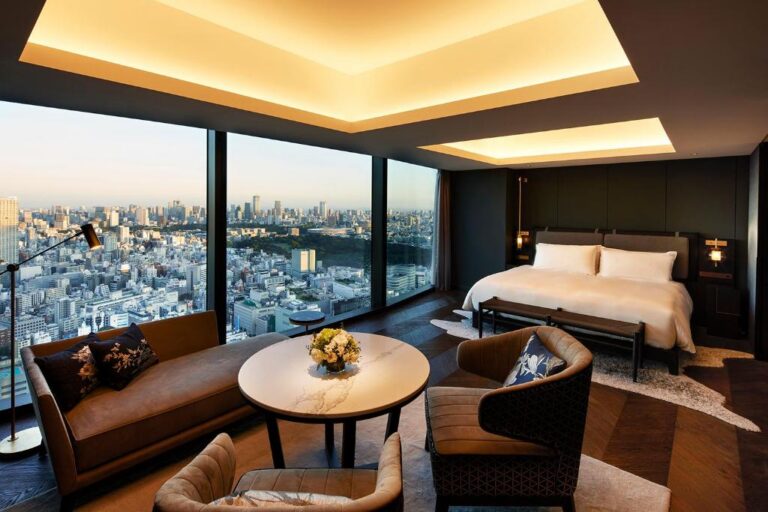
Extended Stay Hotel Meaning for Multi-Week Stays
Extended stay hotel meaning becomes obvious when you spend three weeks on a work assignment with a full-size fridge, a two-burner stove, and a laundry room down the hall instead of living out of a suitcase and paying $28 every morning for room-service eggs. Having stayed in extended-stay properties, corporate suites, and standard city hotels over the years, I noticed that kitchen gear, weekly cleaning schedules, and laundry access shape a multi-week trip far more than a fancy lobby. Checking real room details ahead of time helps you pick a stay that fits longer schedules without surprise bills.
Extended Stay Hotel Meaning: The Simple Explanation
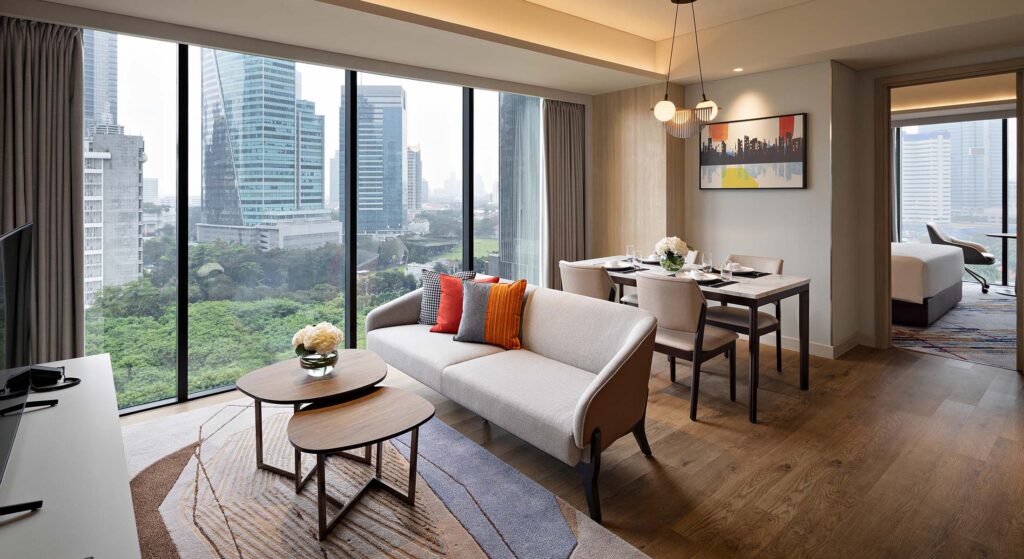
An extended stay hotel is a lodging property built for multi-night, weekly, or monthly stays with apartment-style room features and tiered pricing. Hospitality research from AHLA (American Hotel & Lodging Association) shows how extended-stay lodging serves guests who need longer-term accommodations, often with lower operating overhead than full-service hotels. Travelers get far better value when they check actual room setups and weekly rate rules before booking.
What Makes a Hotel an Extended Stay Property
Kitchen gear, work space, and laundry access
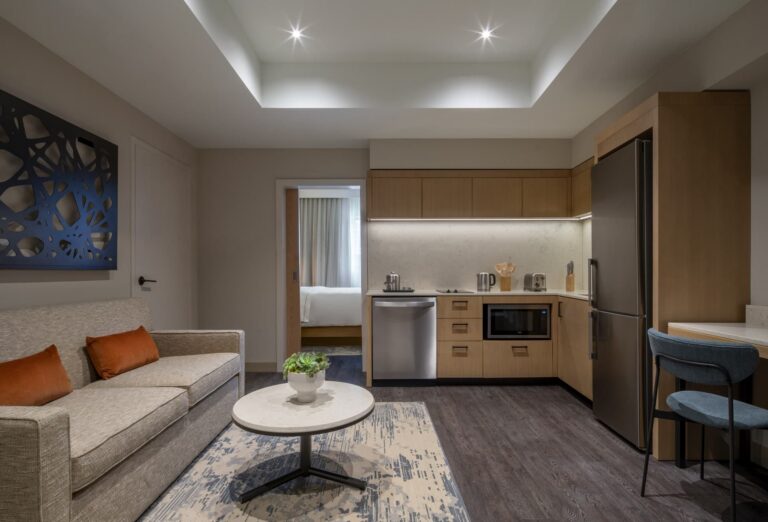
Most extended-stay rooms include a refrigerator, microwave, sink, cookware, and a real desk rather than just a mini-bar and a small table. On-site guest laundry rooms or in-unit washer-dryers cut weekly dry-cleaning and packing stress during longer trips. Having those basics on hand makes a two-week stay feel much closer to home.
Tiered weekly pricing and lease-free flexibility
Unlike standard apartments that require credit checks, utility deposits, or multi-month leases, extended-stay hotels let guests book by night, week, or month. Nightly rates often drop as stay length increases across seven or thirty nights. Reviewing a hotel checkliste before paying keeps rate tiers, deposit holds, and refund cutoffs clear.
The Typical Minimum Length of Stay
Seven nights as a practical sweet spot
Many extended-stay hotels welcome one-night or two-night guests, yet weekly rate discounts usually begin around five to seven consecutive nights. Longer stays of fourteen to thirty nights often unlock even lower average nightly tariffs and clearer billing terms. Checking exact minimum nights for discounted rates prevents paying full nightly prices by mistake.
Local rules and longer-stay limits
Some cities or properties set maximum continuous stay limits or local occupancy tax rules after a certain number of days. Even upscale stays benefit from a 5 star hotel checklist to check soundproofing, service rules, and billing details. Regional rules also vary across markets, much like the arrival and tax details in how to book hotel in germany.
How Extended Stay Hotels Differ From Regular Hotels
Standard hotels focus on quick turnarounds, daily room refreshes, and on-site dining or bars for short visits. Extended-stay properties shift spending toward practical living space, cooking setups, and lower daily service overhead. Matching the hotel type to your trip length keeps comfort and costs aligned.
In-Room Kitchens and Larger Living Spaces
Studio layouts and separate seating zones
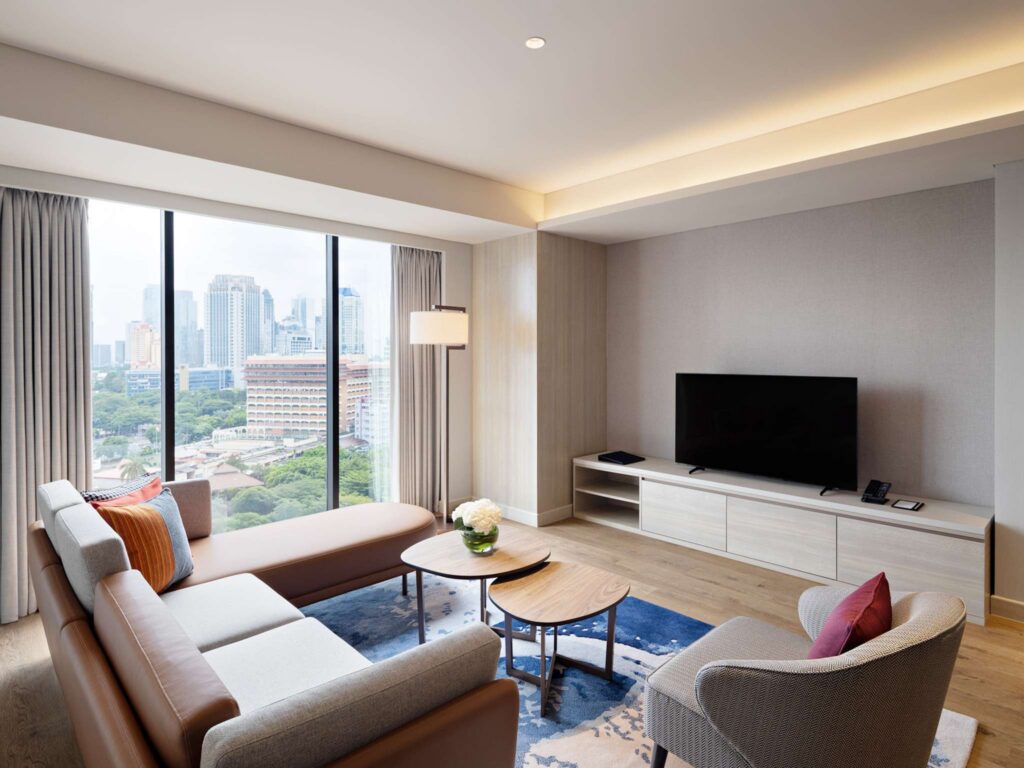
Extended-stay rooms frequently separate sleeping areas from seating or dining space so work laptops and dinner plates do not crowd the bed. Full-height fridges and stovetops let you store groceries and cook simple meals during busy weeks. Travelers appreciate extra elbow room when staying longer than a quick weekend.
Trade-offs against full-service hotel extras
Because these properties keep staffing lean, you may see fewer bell attendants, smaller lobbies, or limited full-service restaurants on site. Morning coffee or light grab-and-go items may replace full hot buffets at some locations. Knowing what is missing helps you plan groceries and meals easily.
Weekly Housekeeping and Different Service Models
Scheduled weekly or biweekly cleaning
Many extended-stay hotels clean rooms once a week or every two weeks rather than making beds every single day. Fresh towels, trash swaps, or extra amenities are usually available at the front desk between full cleanings. That schedule keeps rates lower and respects privacy during longer stays.
Practical comparison across stay formats
| Feature | Extended Stay Hotel | Standard Transient Hotel | Best Fit For |
| Kitchen Setup | Fridge, sink, stove or microwave | Mini-fridge or coffee maker | Multi-week and meal-prep stays |
| Housekeeping | Often weekly or biweekly | Usually daily refresh | Guests wanting space and value |
| Rate Structure | Nightly plus weekly/monthly tiers | Mostly nightly dynamic rates | 5+ night work or move trips |
| On-Site Amenities | Guest laundry and work desk | Lobby dining, bars, or spa | Short city or leisure trips |
Who Typically Books Extended Stay Hotels
Extended-stay properties attract travelers whose schedules stretch past a quick two-night visit but do not call for a permanent apartment lease. Project crews, medical staff, home buyers, and long-term road travelers all rely on these stays for practical reasons. Checking real guest reviews from the past sixty days shows how well a property handles long-term comfort.
Relocating Workers and Traveling Nurses
Steady routines during contract assignments
Contractors, consultants, and healthcare workers often take assignments lasting four to sixteen weeks in a new city. Having a desk, kitchen, and laundry access makes long shifts far easier to manage. Clear weekly billing also simplifies expense reports.
Quiet sleep and reliable Wi-Fi
Night-shift workers and remote professionals need calm rooms and steady internet during daytime rest or video calls. Asking for rooms away from ice machines, lifts, or busy parking lots helps sleep quality. Checking recent reviews highlights whether internet speeds and quietness hold up.
Families Between Homes and Long-Term Travelers
Bridge housing during moves or repairs
Families waiting on a home closing, insurance repair, or renovation often need flexible dates with no lease commitment. Cooking simple meals and doing laundry on site keeps daily routines steady with kids or pets. Flexible extension options help when move dates shift.
Multi-stop trips and slow travel
Travelers spending several weeks in one region often prefer apartment-style convenience over packing up every two days. Local grocery stores, parks, and transit stops matter more than resort pools on longer trips. Smart planning keeps weekly budgets predictable.
When an Extended Stay Makes Financial Sense
Booking an extended stay saves money when multi-week room rates beat standard hotel prices and home-cooked meals cut daily restaurant bills. Always compare the full out-the-door total, including taxes, parking, and any laundry or pet fees, before deciding. A quick calculation shows whether the weekly discount actually beats a regular hotel.
Comparing Weekly Rates to Nightly Prices
Calculating total multi-night cost
A $115 standard hotel rate might drop to $88 per night on a seven-night extended-stay tier, saving nearly $190 before taxes. Check whether weekly discounts apply automatically or require booking a specific multi-night rate code. Confirming cancellation rules before paying protects you if dates move.
Watching deposits, taxes, and extra fees
Longer stays can involve higher security deposits or local tax rules depending on how many consecutive nights you book. Parking fees, pet charges, and breakfast options should be checked on the final screen. Clear math prevents surprises at checkout.
Hidden Costs You Avoid With a Kitchen
Cutting restaurant and takeout spend
Eating out for breakfast, lunch, and dinner every day adds up fast over two or three weeks. Making coffee, breakfast, and simple dinners in your room can trim daily food spend noticeably. Even two or three home meals a week helps offset nightly costs.
Key items to verify before reserving
-
Weekly rate and minimum nights: Does the discounted rate start at seven nights, and what are the exact dates?
-
Kitchen and laundry details: Does your room include a stove, full fridge, cookware, and on-site laundry access?
-
Housekeeping schedule: How often is full room cleaning done, and how do you request fresh towels?
-
Total fees and deposit: Are taxes, parking, pet fees, and security deposits clearly listed upfront?
Frequently Asked Questions
What is the true extended stay hotel meaning for travelers?
Extended stay hotel meaning refers to a hotel designed for multi-night, weekly, or monthly stays with kitchen amenities, extra living space, and discounted longer-stay rates. Guests get apartment-like convenience without signing a traditional lease.
How long do people usually stay at an extended stay hotel?
Many guests stay anywhere from one week to two or three months for work contracts, relocations, or home repairs. Properties also accept shorter stays, though weekly rate discounts usually apply after five to seven nights.
Do extended stay hotels clean rooms every day?
No, many extended stay hotels provide full housekeeping weekly or biweekly rather than daily. Fresh linens, towels, and trash pickup are typically available on request between scheduled cleanings.
Are extended stay hotels cheaper than regular hotels?
They often cost less per night over a week or month than standard hotels, especially when you factor in kitchen savings and lower laundry costs. Always compare the full multi-night total and included features for your exact dates.
Compare Rates and Apply Extended Stay Hotel Meaning to Your Trip
Understanding the real extended stay hotel meaning helps you pick a property with the right kitchen setup, cleaning schedule, and weekly rate for multi-week travel. Compare two or three options for your exact dates, check all fees and cancellation rules upfront, and book the stay that fits your trip best.