
Extended Stay Definition: A Complete Beginner’s Guide
Extended stay definition becomes clear the first time you unpack for a three-week work assignment in a studio suite with a full-size refrigerator, a real desk, and an on-site laundry room instead of living out of a suitcase and buying $26 hotel breakfasts every morning. Having stayed in extended-stay properties, corporate suites, and standard city hotels over the years, I noticed that kitchen setups, weekly cleaning schedules, and laundry access shape a multi-week trip far more than a lobby lounge. Checking exact room details ahead of time helps you pick a stay that fits longer schedules without surprise bills.
Extended Stay Definition: What the Term Covers
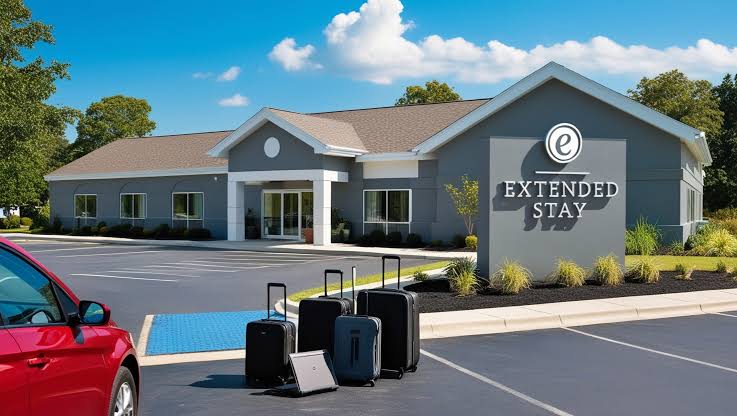
An extended stay property is a lodging option designed for multi-night, weekly, or monthly stays with apartment-style room features and discounted longer-stay pricing. Industry research from AHLA (American Hotel & Lodging Association) shows how extended-stay lodging serves guests who need longer accommodations, often with lower operating overhead than full-service hotels. Travelers get better value when they verify actual room setups and weekly rate rules before booking.
The Industry Standard for Length of Stay
Many extended-stay hotels accept one-night or two-night bookings, yet weekly rate discounts usually begin around five to seven consecutive nights. Longer stays of fourteen to thirty nights often unlock lower average nightly tariffs and clearer billing terms. Checking exact minimum nights for discounted rates prevents paying full nightly prices by mistake.
Seasonal demand and stay-length caps
Busy summer months or project peaks can shift minimum-stay rules or weekly rate availability at popular properties. Some cities or buildings also set maximum continuous stay limits or occupancy tax rules after a certain number of days. Checking local rules early keeps longer plans on track.
Differences Between Brands and Independent Properties
National extended-stay chains often standardize kitchen appliances, guest laundry rooms, and weekly cleaning schedules across locations. Independent properties or converted apartments can vary more in room layout, maintenance speed, and service hours. Reviewing a hotel checkliste before paying keeps rate tiers, deposit holds, and refund cutoffs organized.
Service standards across property tiers
Upscale extended-stay suites may offer larger seating areas or concierge help, while budget properties keep staffing lean to hold down nightly rates. Even luxury bookings benefit from a 5 star hotel checklist to check soundproofing, service rules, and billing details. Regional rules also shift across markets, much like the booking and tax steps in how to book hotel in germany.
Key Features That Define an Extended Stay Property
Extended-stay hotels prioritize practical living routines over quick overnight turnarounds and busy lobby bars. Instead of paying daily for full-service amenities you may skip during a long trip, you get space to cook, work, and wash clothes. Matching room features to your daily routine makes a two-week or month-long stay much easier.
Full Kitchens and Separate Living Areas
Most extended-stay rooms include a refrigerator, microwave, sink, cookware, and a real desk rather than just a mini-fridge and a small table. Separate sleeping and seating zones keep work laptops and dinner plates from crowding the bed. Having stove burners or a full fridge lets you store groceries and cook simple meals during busy weeks.
Cooking rules and room ventilation
Simple stovetop meals or reheated lunches save money, yet cooking smells can linger in smaller studios if exhaust fans are weak. Checking recent guest reviews reveals whether kitchens have decent cookware, clean appliances, and reliable ventilation. Quick checks prevent unpleasant surprises after arrival.
On-Site Laundry and Weekly Rate Options
Guest laundry rooms or in-unit washers and dryers cut weekly packing and dry-cleaning costs on multi-week trips. Nightly rates often step down after seven or thirty nights, making weekly billing much more budget-friendly than paying standard nightly rates. Confirming whether laundry machines use coins, cards, or app payments avoids awkward trips to the bank.
Comparing extended-stay features and trip needs
Extended Stay vs Monthly Apartment Rentals

Choosing between an extended stay hotel and a short-term apartment lease comes down to flexibility, upfront cash, and how long you plan to stay. Both offer space and kitchens, yet their contracts and billing work quite differently. Comparing both options side by side keeps your budget realistic.
Flexibility and Deposit Requirements
Extended-stay hotels let you book by night, week, or month without credit checks, utility hookups, or multi-month lease commitments. Traditional apartments often ask for security deposits, proof of income, or fixed lease terms that feel rigid if project dates shift. Flexible extension options help when move or work dates move.
Cancellations and schedule changes
Read cancellation cutoffs and minimum-night terms carefully before locking in a discounted weekly rate. Shorter or shifting stays can sometimes affect weekly pricing if you depart earlier than planned. Clear terms protect you when schedules change.
What’s Included in the Rate
Extended-stay hotel rates usually bundle utilities, Wi-Fi, and scheduled housekeeping into one nightly or weekly bill. Apartment rentals may charge separately for electricity, water, internet, furniture, or cleaning fees at move-out. Checking recent guest feedback from the past sixty days shows how smoothly billing and maintenance run.
Key items to verify before reserving
-
Minimum nights for weekly rates: Does the discounted rate start at five or seven nights, and what are the exact dates?
-
Kitchen and laundry setup: Does your room have a stove, full fridge, cookware, and working guest laundry?
-
Cleaning and towel schedule: How often is full housekeeping provided, and how do you get fresh towels?
-
All-in cost and deposit rules: Are taxes, parking, pet fees, and security deposits clearly shown upfront?
How to Tell if an Extended Stay Fits Your Trip
A multi-week stay makes the most sense when you stay long enough to use the kitchen, laundry, and weekly rate savings. Short one-night or two-night visits rarely use those features enough to beat a well-located standard hotel. Honest math helps you choose the right fit.
Trips Longer Than Five Nights
Contract workers, traveling nurses, relocating families, and home-renovation guests often get strong value on stays of a week or longer. Cooking simple breakfasts or dinners and doing laundry on site trims daily travel expenses noticeably. Checking recent guest reviews confirms whether rooms stay clean and quiet over longer stretches.
Quiet rooms and steady Wi-Fi for work
Daytime sleepers and remote workers should ask for rooms away from ice machines, lifts, or busy parking lots. Reliable Wi-Fi and a comfortable desk chair matter far more on a three-week stay than a fancy lobby. Quick room requests help protect your focus.
When a Standard Hotel Is the Better Choice
If you stay one or two nights for sight-seeing, a wedding, or a quick meeting, a standard hotel often fits better. You may prefer daily bed-making, a lively restaurant or bar downstairs, or a central location closer to attractions. Pick the style that matches how you actually spend your days.
Frequently Asked Questions
What is the simple extended stay definition for travelers?
Extended stay definition refers to a lodging property designed for multi-night, weekly, or monthly stays with kitchen amenities, extra space, and discounted longer-stay rates. Guests get apartment-like convenience without signing a traditional lease.
How many nights count as an extended stay at a hotel?
Many extended-stay hotels accept one-night stays, though weekly rate discounts usually begin around five to seven consecutive nights. Longer stays of two weeks or a month often offer even lower average nightly rates.
Do extended stay hotels provide daily housekeeping?
Many extended-stay properties clean rooms weekly or biweekly rather than daily, while offering fresh towels and trash swaps on request. That schedule helps keep longer-stay rates lower and respects guest privacy.
Is an extended stay hotel cheaper than a regular hotel?
An extended stay often costs less per night over a week or month than a regular hotel, especially once you factor in kitchen meal savings and guest laundry. Always compare the full multi-night total and included features for your exact dates.
Compare Rates and Apply the Extended Stay Definition to Your Trip
Knowing the practical extended stay definition helps you pick a property with the right kitchen gear, cleaning schedule, and weekly rate for multi-week travel. Compare two or three options for your exact dates, check all fees and cancellation rules upfront, and book the stay that fits your trip best.