Hotel Booking Tips Japan Travelers Use for Smooth Stays
Hotel booking tips japan travelers share often save you from opening a 13-square-meter Tokyo business room with two large suitcases wedged against the bathroom door, missing a 6:00 PM ryokan dinner cutoff in Hakone, or paying steep last-minute rates during sakura season. Having stayed in compact city hotels, traditional inns, and station-side properties over the years, I noticed that floor area, dinner cutoffs, and local transit links shape a trip across Japan far more than lobby decor. Checking practical room details ahead of time keeps every night calm and straightforward.
Hotel Booking Tips Japan Travelers Should Follow
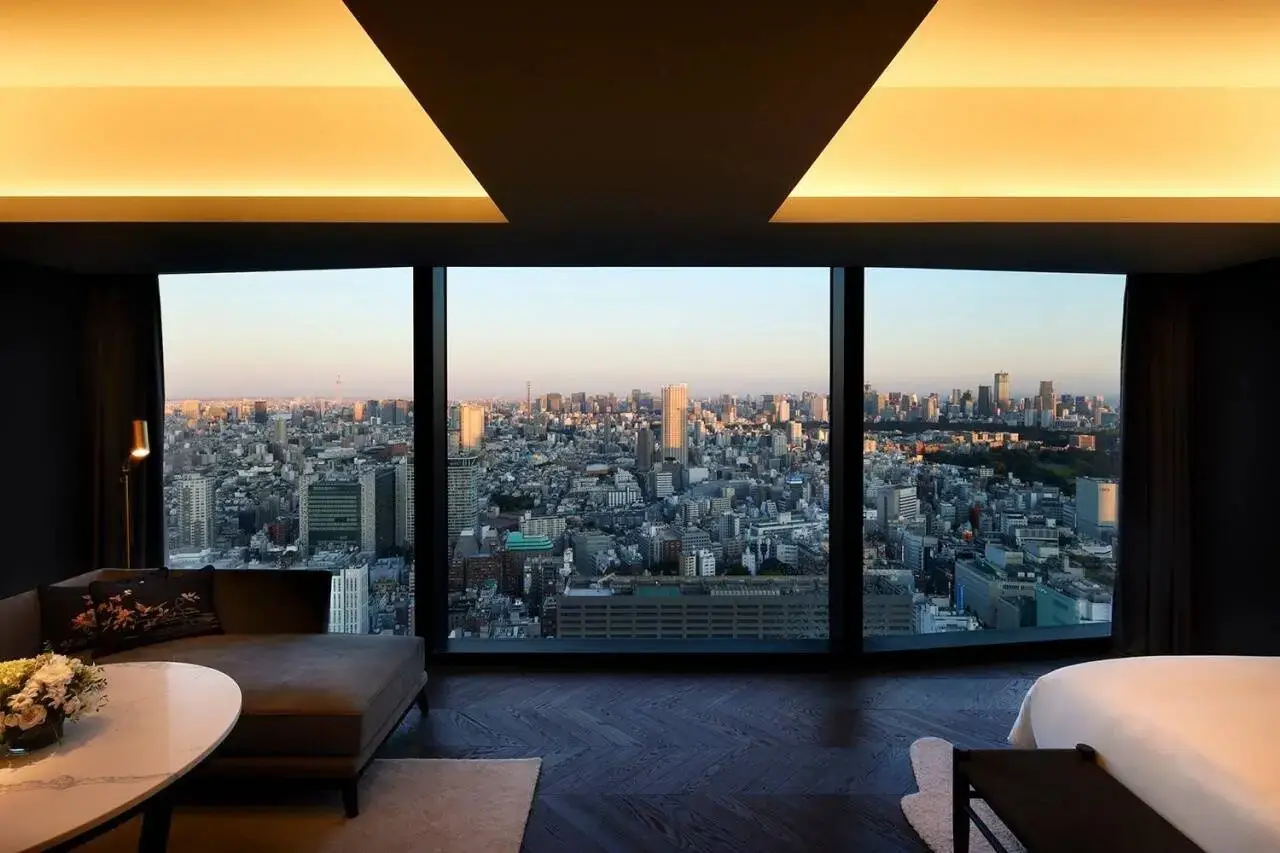
Lodging across Japan ranges from compact urban rooms near rail hubs to traditional inns with tatami floors and hot springs. Official tourism guidance from the Japan National Tourism Organization (JNTO) highlights how travelers can plan seasonal trips, check accommodation options, and prepare for local travel norms. Smart guests verify room dimensions, meal rules, and booking windows rather than guessing from photos alone.
Booking Early for Peak Seasons Like Cherry Blossom
Cherry blossom weeks in late March and early April, autumn foliage in November, and Golden Week push room prices higher and fill popular neighborhoods fast. Booking two to four months ahead gives wider choices near major rail lines in Tokyo, Kyoto, and Osaka. Comparing flexible rates early also protects you if flight dates move.
Off-peak months and weekday pricing
Winter months outside holiday weeks or midweek city stays often bring friendlier room rates and lighter crowds. Event calendars, local festivals, and school holidays still move prices quickly, so checking dates before paying saves money. Regional planning steps also apply across markets, much like the details in how to book hotel in germany.
Understanding Room Sizes Before You Reserve
Standard rooms in Japanese city hotels are often much smaller than typical North American or European hotel rooms. Listings frequently show floor space in square meters, where 12 to 15 square meters suits one solo traveler with light bags. Two travelers with large rolling luggage usually feel cramped in rooms under 18 square meters.
Checking bed dimensions and luggage space
Double beds in compact city rooms can be narrower than standard queen beds, which matters for couples or taller guests. Checking whether bags fit under the bed or near the desk prevents daily tripping hazards. Reviewing a hotel checkliste before paying keeps room specs, refund cutoffs, and arrival notes organized.
Choosing the Right Type of Accommodation
Picking the right property style depends on whether you want quick train access for sightseeing or a quiet evening soaking in mineral water. A business hotel near a rail station saves walking time on busy days, whereas a ryokan suits slower overnight escapes. Matching the lodging style to your daily plan makes travel easier.
Business Hotels vs Ryokan vs Capsule Hotels
Business hotels focus on clean rooms, fast check-in, compact baths, and handy locations near stations or city centers. Ryokan offer tatami matting, futon bedding, yukata robes, and often kaiseki meals or onsen baths, usually with strict dinner times. Capsule hotels provide compact sleeping pods and shared lounges at lower nightly prices, though they rarely suit large luggage or light sleepers.
Upscale stays and quality checks
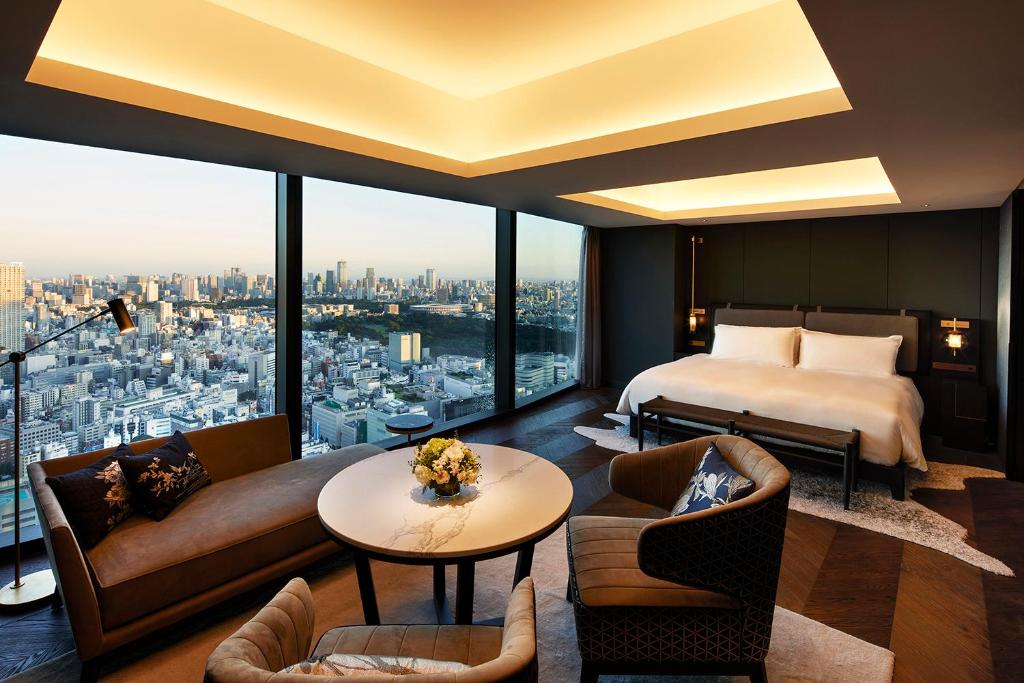
Higher-end hotels in major cities add wider rooms, concierge help, and full-service dining alongside higher nightly tariffs. Even luxury bookings benefit from a 5 star hotel checklist to confirm soundproofing, inclusions, and billing terms. Always match amenities to how you actually spend your evenings.
When a Minshuku or Guesthouse Fits Better
Family-run minshuku inns and casual guesthouses can fit rural routes, hiking trails, or tight budgets with warm local hosts. Shared bathrooms, thinner walls, or set meal hours are common, so reading recent guest reviews matters. Checking house rules ahead of time prevents awkward surprises.
Practical comparison of stay styles in Japan
| Stay Style | Typical Setup | Key Advantage | Common Watch-Out | Best Fit For |
| Business Hotel | Compact room, private bath, desk | Near stations and easy check-in | Tight floor space for big bags | City and rail trips |
| Ryokan Inn | Tatami room, futon, often onsen | Cultural stay and evening meals | Early dinner and check-in cutoffs | Relaxing overnight escapes |
| Capsule Hotel | Sleeping pod and shared spaces | Budget rate for solo nights | Shared noise and bag limits | Short solo stopovers |
| Guesthouse / Minshuku | Modest room, often shared bath | Local feel and lower cost | Fewer hours or shared facilities | Rural and budget travel |
The Best Sites and Methods for Booking in Japan
Combining global booking sites with major Japanese platforms often uncovers extra room types, member rates, or ryokan meal plans. Comparing total prices after local accommodation taxes shows which option gives the best value. Keep your confirmation details saved offline for smooth arrival days.
Japanese Booking Platforms Worth Using
Local platforms like Jalan and Rakuten Travel list many domestic hotels and ryokan with detailed meal plans and regional options. Global sites also work well for international chains and English-language support, while direct hotel sites sometimes post member rates. Checking two platforms for the same dates helps spot hidden differences.
Checking local taxes and meal inclusions
Some cities charge a small per-person accommodation tax that may be collected at check-in or shown near checkout. Ryokan listings often separate room-only rates from half-board rates that include dinner and breakfast. Reading the exact rate line avoids billing confusion later.
How to Handle Hotels With Little English Support
Smaller inns, regional hotels, and family run stays may have limited English at the front desk or on phone lines. Sending short written messages through your booking platform lets staff translate details clearly. Having your passport, booking reference, and address ready in Japanese makes arrival much smoother.
Quick habits for smooth communication
Translation apps, clear dates, and written arrival times help bridge language gaps politely. Confirming late arrival hours ahead of time is especially important at smaller properties without 24-hour reception. Calm preparation makes every check-in easier.
Practical Tips for a Smooth Japanese Hotel Stay
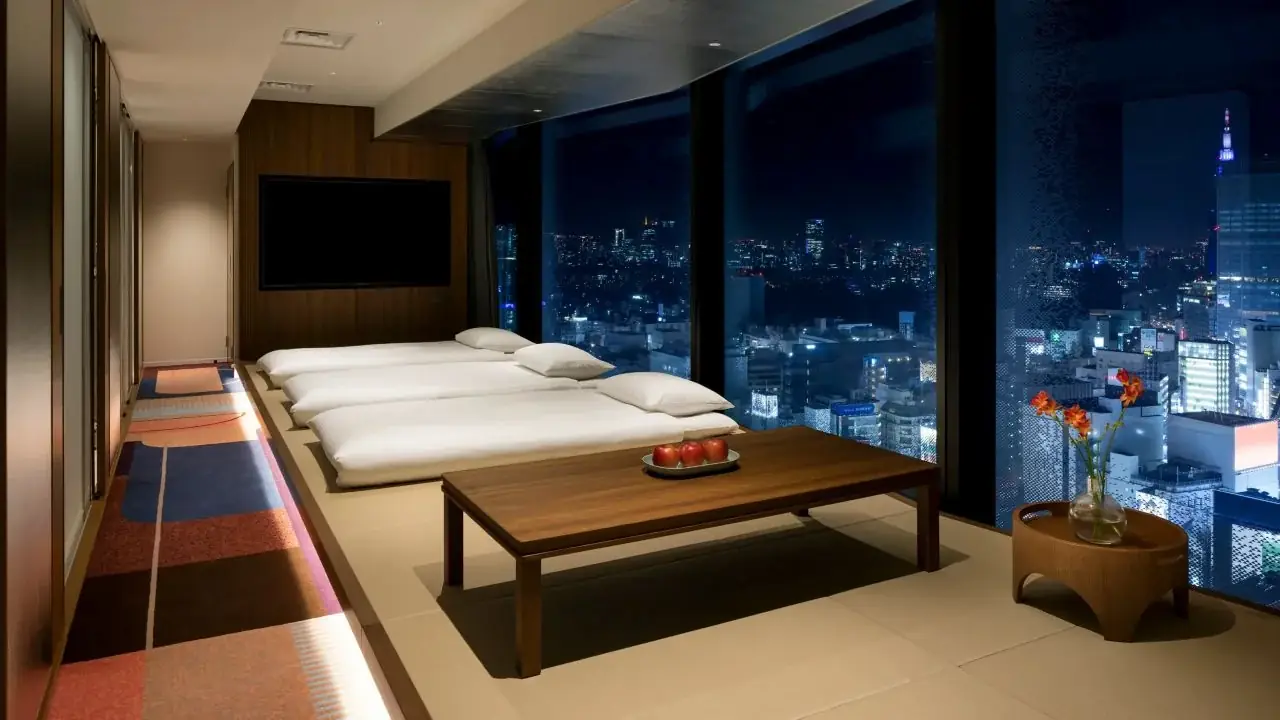
Recent guest reviews from the past sixty days tell you far more than staged photos or star badges. Look for steady comments on cleanliness, quiet sleep, and helpful staff rather than isolated complaints. Small daily habits keep your stay pleasant from arrival to departure.
Check-In Times, Tatami Rules, and Shoe Etiquette
Standard hotel check-in often runs around 2:00 PM or 3:00 PM, while checkout commonly falls between 10:00 AM and 11:00 AM. At ryokan or homes with tatami mats, outdoor shoes come off at the entrance genkan and indoor slippers or bare socks are worn instead. Never walk on tatami in outdoor shoes or roll heavy suitcases across woven mats.
Onsen manners and tattoo policies
Many public baths and hotel onsen require washing thoroughly with soap and a small towel before entering soaking pools. Visible tattoos are restricted at some traditional baths, though private baths or cover-up rules vary by property. Always check bath rules before booking if you plan to soak.
What to Expect at Breakfast and Checkout
Hotel breakfasts in Japan range from Western toast and coffee to Japanese sets with grilled fish, rice, miso soup, and pickles. Checkout is usually quick once incidental items are settled, and many front desks can forward bags or hold luggage for a few hours. Reviewing your itemized bill before leaving keeps records tidy.
Key items to verify before reserving
-
Room floor area and bed size: Does the square meter size and bed width fit your group and luggage?
-
Check-in and meal cutoffs: Can you reach the property before desk or ryokan dinner closing times?
-
Total price and city taxes: Are local accommodation taxes, meal plans, and cancellation rules clear?
-
Recent guest reviews: Do reviews from the past two months confirm clean rooms and quiet rest?
Frequently Asked Questions
What are the most useful hotel booking tips japan travelers rely on?
Practical hotel booking tips japan travelers rely on include booking early for peak seasons like cherry blossom, checking room size in square meters, confirming ryokan meal times, and comparing local plus global booking sites. Reading recent guest reviews also helps verify cleanliness and quietness before paying.
How small are standard hotel rooms in Japan?
Many standard business hotel rooms in Tokyo or Osaka measure between 12 and 18 square meters, which feels compact compared with larger Western rooms. Solo travelers with carry-on bags usually manage fine, whereas couples with large suitcases often prefer larger rooms or twin layouts.
When should I book a hotel in Japan for cherry blossom season?
Booking two to four months ahead is a smart target for cherry blossom season in late March and early April, especially in Kyoto and Tokyo. Popular areas fill quickly during peak bloom, so locking in a refundable rate early helps.
Do Japanese hotels require passport details at check-in?
Yes, hotels in Japan require foreign guests without a Japanese address to present a passport and record identity details at check-in under national lodging rules. Keeping your passport easy to reach in your day bag speeds up reception.
Compare Options and Apply These Hotel Booking Tips Japan Travelers Trust
Following these hotel booking tips japan travelers use helps you pick the right room size, respect local customs, and avoid last-minute rate jumps. Compare two or three options for your exact dates, check meal and cancellation terms upfront, and book the stay that fits your trip best.